

IDENTITY — Who Are We When We Participate?
Oh, you talkin’ teams?
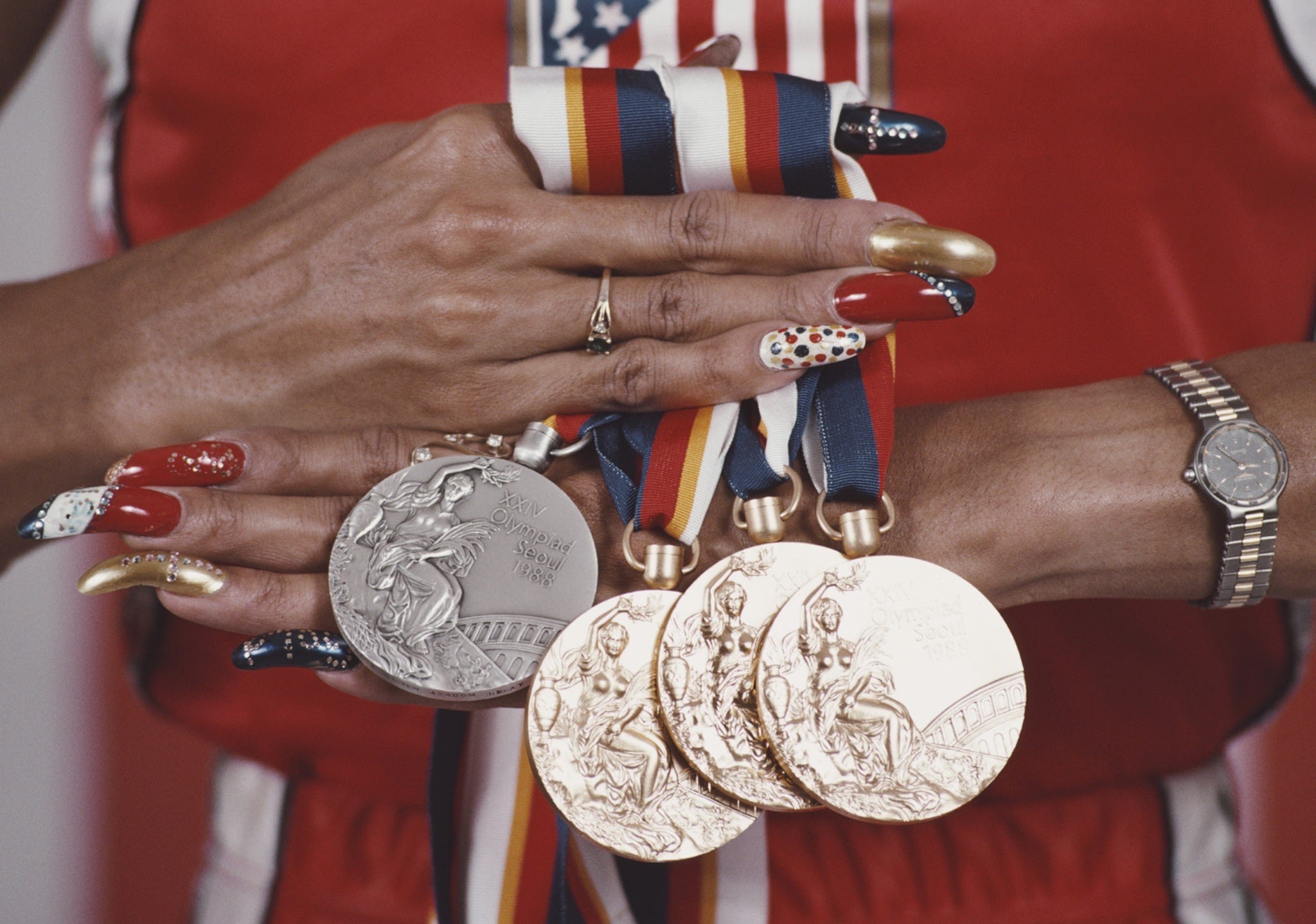
“Pass it on. Pass it on. Do your best—and pass it on.”
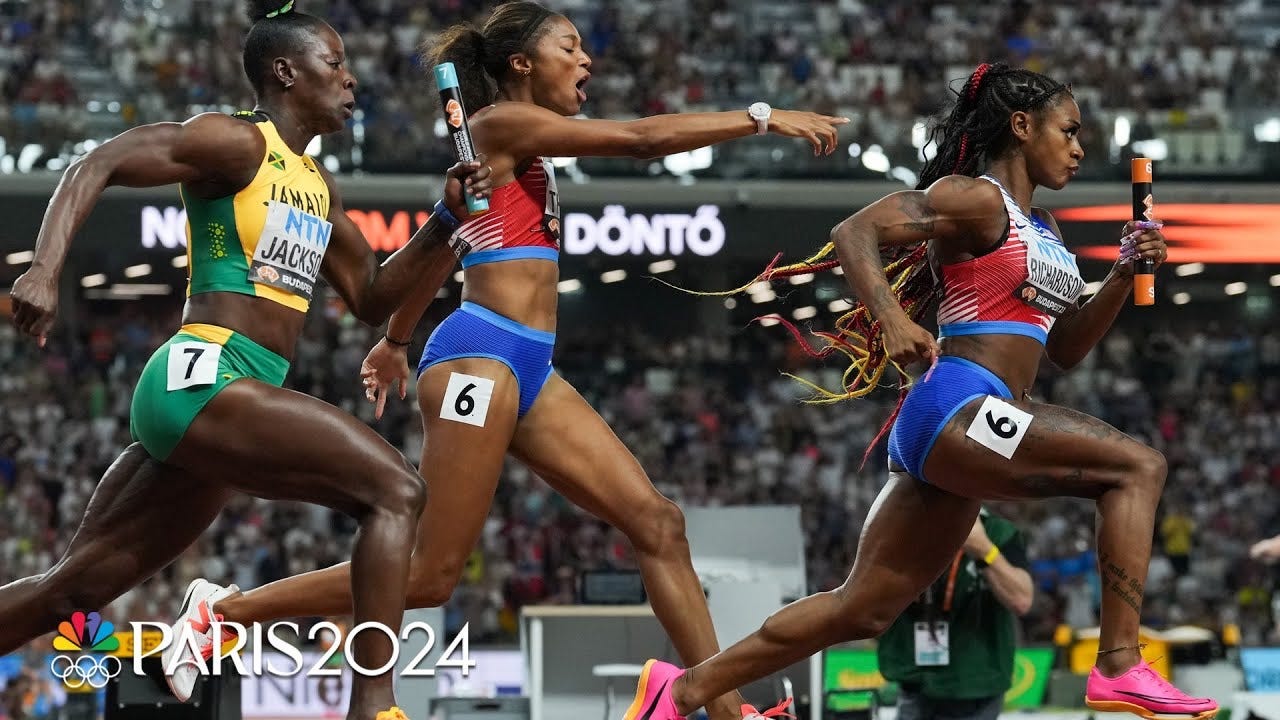
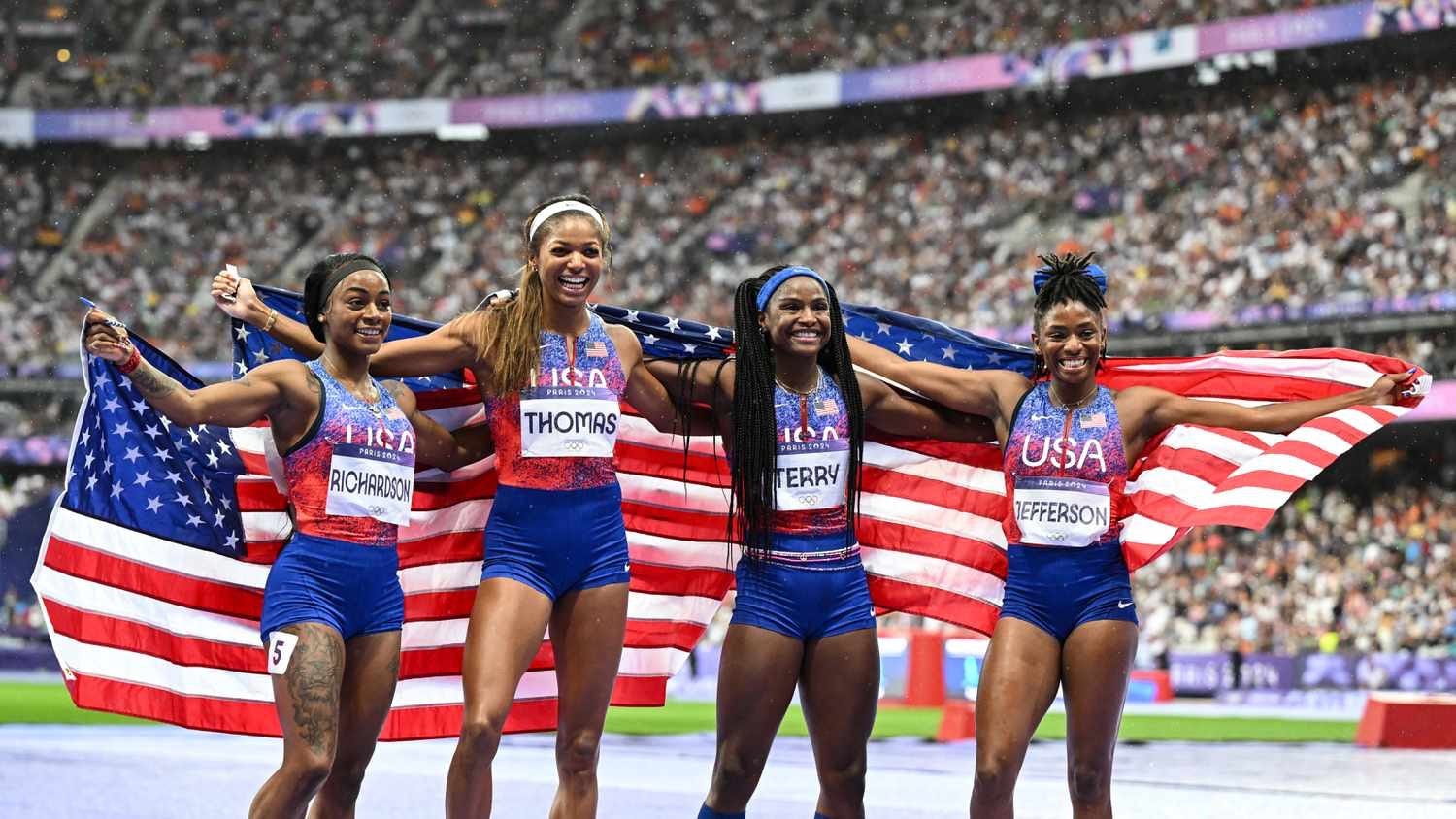
During my 2,345th rewatch of the women’s 4x100-meter relay at the Paris 2024 Olympic Games, the play-by-play announcer’s words hit different. They were a call to action meant for me.
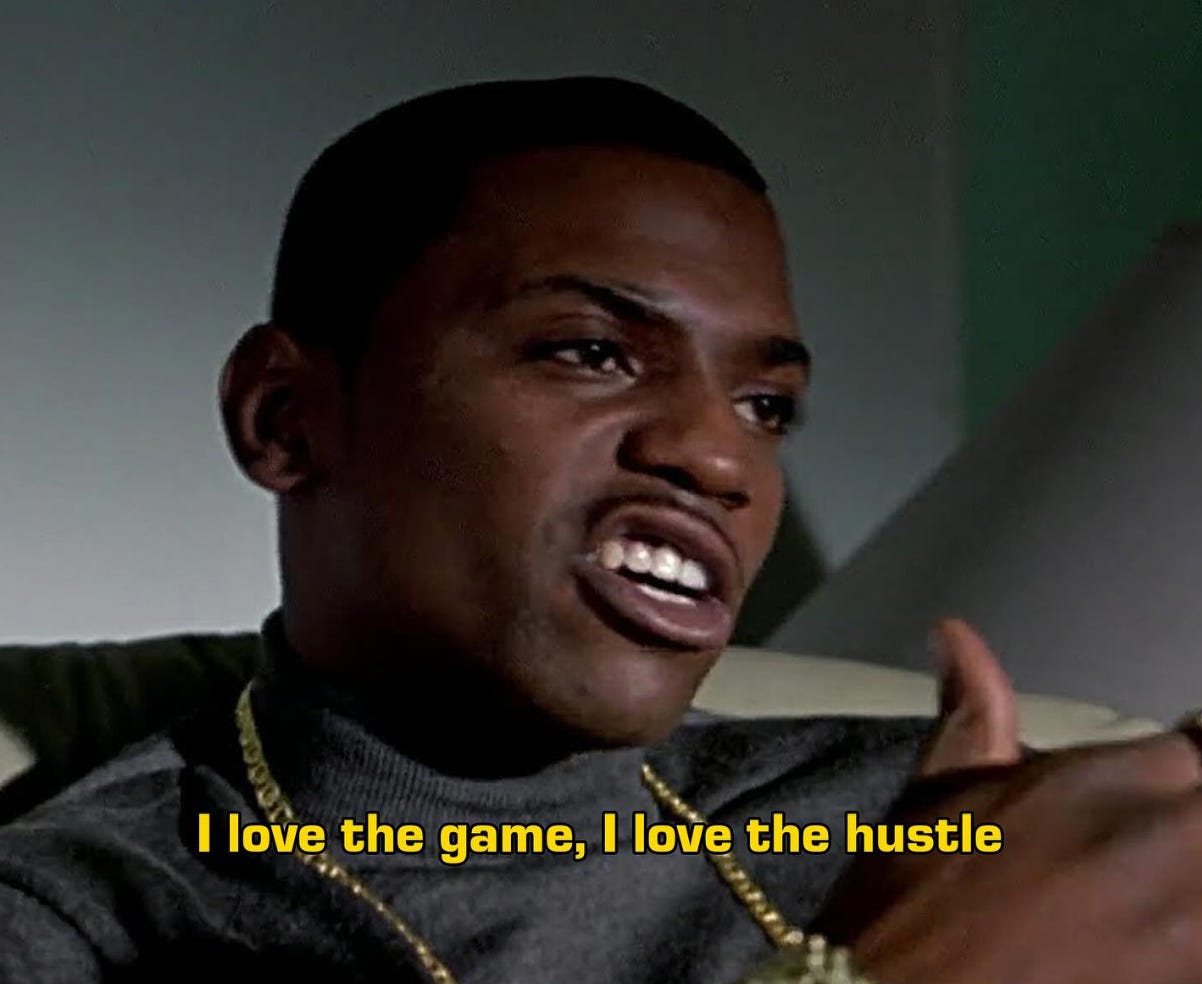
I’m no Sporty Spice, but as Money Makin Mitch would say, “I love the game.”
A relay race can change in an instant; the outcome depends heavily on the baton exchange. Each leg demands its own strategy. The first runner builds momentum and navigates the opening curve, while the anchor, usually the fastest sprinter, carries the responsibility of finishing the race. I watched the U.S. team dominate: Melissa Jefferson passed the baton to TeeTee Terry, then Gabby Thomas executed a high-pressure exchange with Sha’Carri Richardson, whose legendary anchor leg won the race.
The four women transformed individual speed into collective victory. Much like progress, I thought. And then it hit me.
I must take the baton.
As another election approaches, I find myself reflecting on why I care so deeply and where this ingrained sense of civic duty comes from.
After 20 years of voting in America, I have not always felt like a winner, but I know I have inherited my own proverbial baton: the power to help enact change. Look beyond the markers of age, gender, and race that data analysts use to identify me, and you will find that I belong to a team united by the experience of running a never-ending race against inequality—staking claim to the return on our ancestors’ investment.
Born 20 years after the Voting Rights Act of 1965, I learned how directly it shaped my life through episodes of Eyes on the Prize. Sitting crisscross applesauce on my living room floor at my mother’s behest, I first heard about the death of Medgar Evers and the Freedom Summer. Learning that people had lost their lives in the struggle to register Black voters radicalized me at a young age. I took their sacrifice personally; my 18th birthday could not come soon enough.
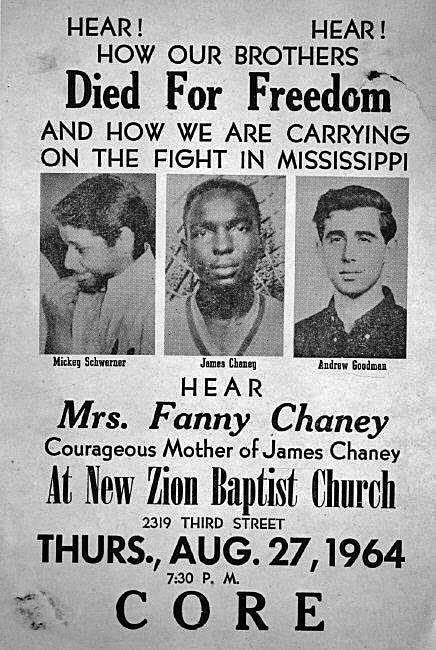
A flyer from a rally hosted by The Congress of Racial Equality serving as both a memorial for slain activists, and a call to action.
As the granddaughter of an immigrant from Barbados and the daughter of a student who lived through Boston’s 1974 busing crisis, I came to understand how the Civil Rights Act of 1964 continued to shape my experiences. I inherited freedoms earlier generations fought to secure. How humbling it is to be the first in my family to choose my own path, won by the sacrifices of others.
Indebted to many people I will never meet, I am thrilled whenever I cross paths with a few. Having voted along the East Coast from Virginia to Massachusetts, I hold deep reverence for the Black matriarchs who faithfully work the polls year after year. They learn my name and my voting schedule, even teasing me when I arrive too close to closing time. I am grateful for their service and friendly banter. As the validity of the voting process is questioned and poll workers face threats in a politically charged environment, I think of patriots like Laura Wooten, who volunteered in local, primary, and general elections in New Jersey for 79 years, until her death in 2019.
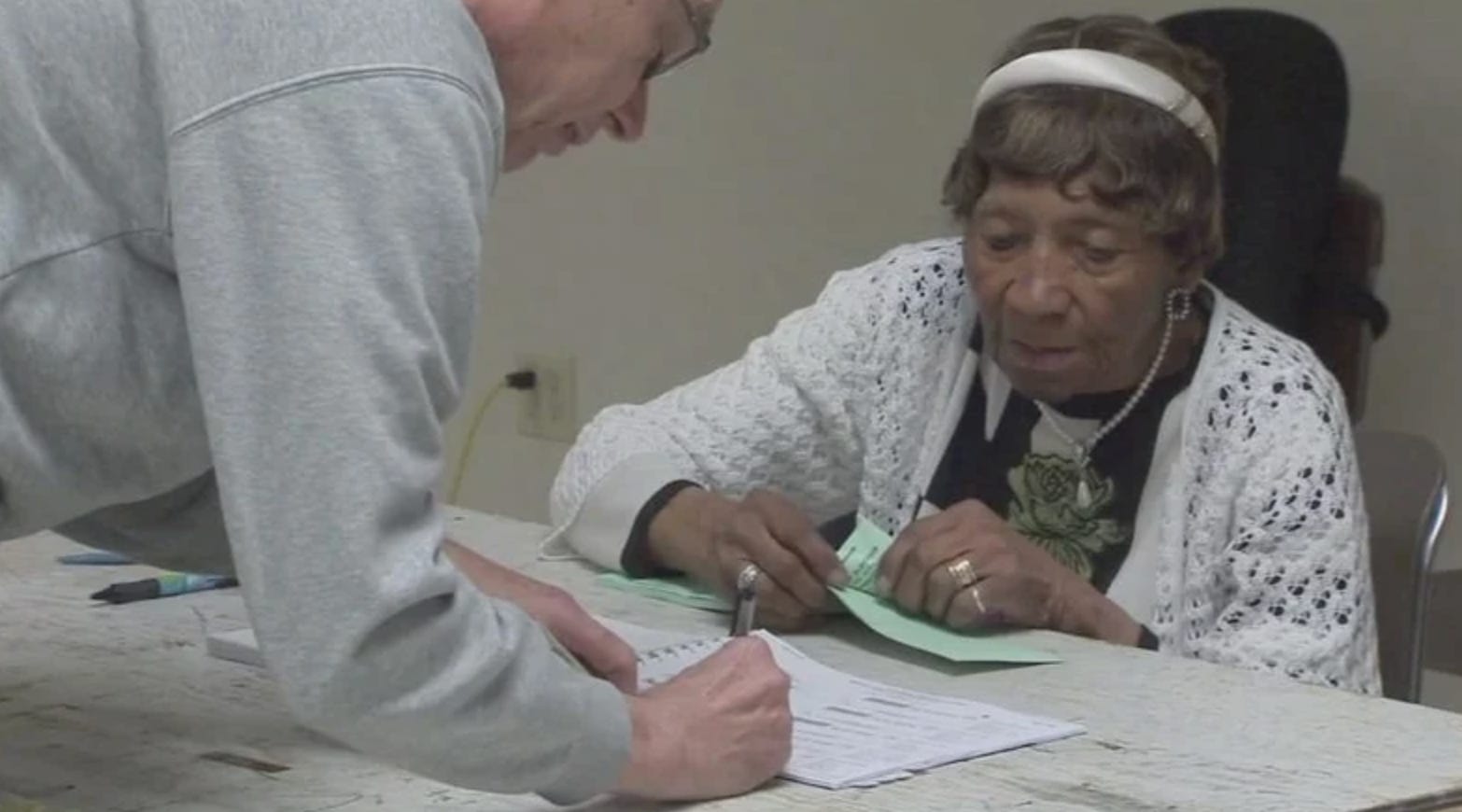
Laura Wooten (1920–2019) is recognized as the longest-serving election poll worker in United States history. She volunteered consecutively at local, primary, and general election voting polls for 79 straight years, beginning in 1939 and continuing through the 2018 midterm elections.
Like Laura, who was born at a time when women could not vote and Black people were disenfranchised, therein lies a cohort of Black people who vividly remember what life was like when participation wasn’t an option. Keeping lines short and elections running smoothly has become pivotal to defending our democracy, especially in underserved Black communities across the US. While our heroes are dedicated, they are also aging. I often think about the void they will leave if we are, in fact, not our ancestors.
I view voting and progress in this country as a relay race.
No runner completes the full lap alone; each sprinter must run their leg and do everything possible not to drop the baton. The countless hours I spent watching Eyes on the Prize—including episodes such as “Fighting Back: 1957–1962”—remind me of the legs of the race others ran for me. Although the race is far from over, I am prepared for the handoff.
Seeing Black families work together at the polls has been an inspiring call to action.
Continuing that tradition of civic engagement across generations is a powerful way to pass the baton. As our elders age and the Ops actively works to rewrite history, protecting the voting process is paramount to preserving our identity in this country: a persistent people who demand that America make good on its promises. We continue a legacy of keeping this country honest, armed with history—better known as receipts. Staying engaged in a process that is constantly trying to trick you out of your spot, is no small feat.
Yet, dropping the baton, may mean your opponent wins the race. By reaching for it, I inherit a world that is easier to navigate and accept the responsibility to pay it forward.
My commitment to civic duty empowers me to run toward a more equitable future, knowing that I alone may not win the race, but my community can.
Who we are when we participate is who we have always been: candid about the ways we want this country to do better and steadfast in our efforts to get it there. For we all must do our best - and pass it on.
Alisha Hope is a New Jersey based brand strategist who spent her fashion career giving brands their voice. Now she’s using her own to write about the people, places, and stories that shaped her.
instagram: bobishadotcom / substack: Alisha
For just $5 a month, you’re directly investing in Black writers, Black ideas, and the future of independent Black media. Every subscription helps us commission original stories, platform new voices, and continue building E.N.D. into a living hub for revolutionary thought, culture, education, and community.
Thank you for helping us build something that belongs to us.